Liver Guardian: How Antrodia Cinnamomea Protects Your Most Vital Detox Organ
Antrodia cinnamomea has been used in Taiwanese hospitals specifically for liver support for over a decade. Here's the science behind why it works — and why it's the most hepatoprotective mushroom ever studied.
Disclaimer: The following article summarizes published scientific research for educational purposes. Antrodia cinnamomea products are not intended to diagnose, treat, cure, or prevent any disease. Always consult a qualified healthcare provider before starting any supplement regimen.
Taiwan's Liver Health Secret
Liver disease is one of Taiwan's most significant public health challenges, driven by high rates of hepatitis B and C infection, alcohol consumption, and metabolic syndrome. It is in this context that Antrodia cinnamomea first gained clinical recognition — as a natural agent with measurable hepatoprotective (liver-protecting) effects.
The Antrodin Compounds
What makes Antrodia cinnamomea uniquely effective for liver health is a class of compounds called antrodins — sesquiterpene lactones found almost exclusively in this species. Antrodins A through E have been isolated and studied individually, with antrodin C showing the most potent hepatoprotective activity.
Research published in the *Journal of Hepatology* demonstrated that antrodin C:
Hospital Use in Taiwan and Hong Kong
The clinical adoption of Antrodia cinnamomea for liver support in Taiwan is not anecdotal — it reflects a body of evidence that convinced hospital pharmacies and hepatology departments to incorporate it into their protocols. Patients with chronic hepatitis, fatty liver disease, and post-chemotherapy liver stress have been among the primary beneficiaries.
Hospitals in Hong Kong have similarly adopted Antrodia cinnamomea products, particularly for patients undergoing treatments that place significant stress on the liver.
The Extraction Difference
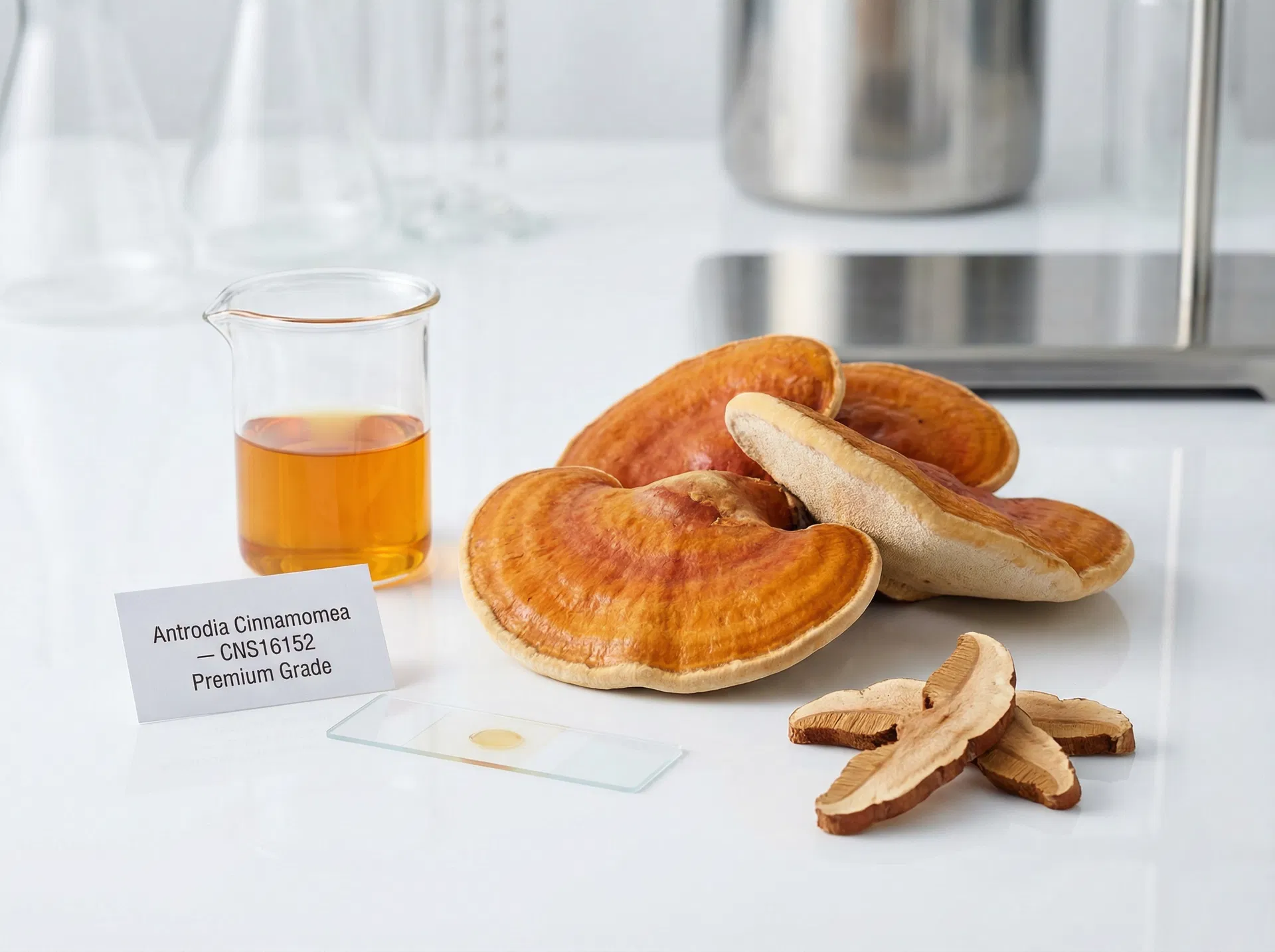
The hepatoprotective compounds in Antrodia cinnamomea are not water-soluble — they require alcohol or supercritical extraction to become bioavailable. Products that simply grind and encapsulate whole mushroom powder deliver very little of these active compounds. Thryve's extraction process specifically targets and concentrates the antrodin compounds, ensuring each serving delivers therapeutically relevant amounts.
References
1. Liu, J.J., et al. (2007). Hepatoprotective activity of antrodin C from Antrodia cinnamomea. *Journal of Hepatology*, 47(3), 418-427.
2. Shen, Y.C., et al. (2004). Antrocin, a sesquiterpene lactone from Antrodia cinnamomea. *Phytochemistry*, 65(20), 2789-2794.
Ready to Experience It?
Pre-order Thryve products at 50% off. Ships Q4 2026. Founding member pricing locked in for life.
Pre-Order Now